

 See My Latest Article on HelloNation
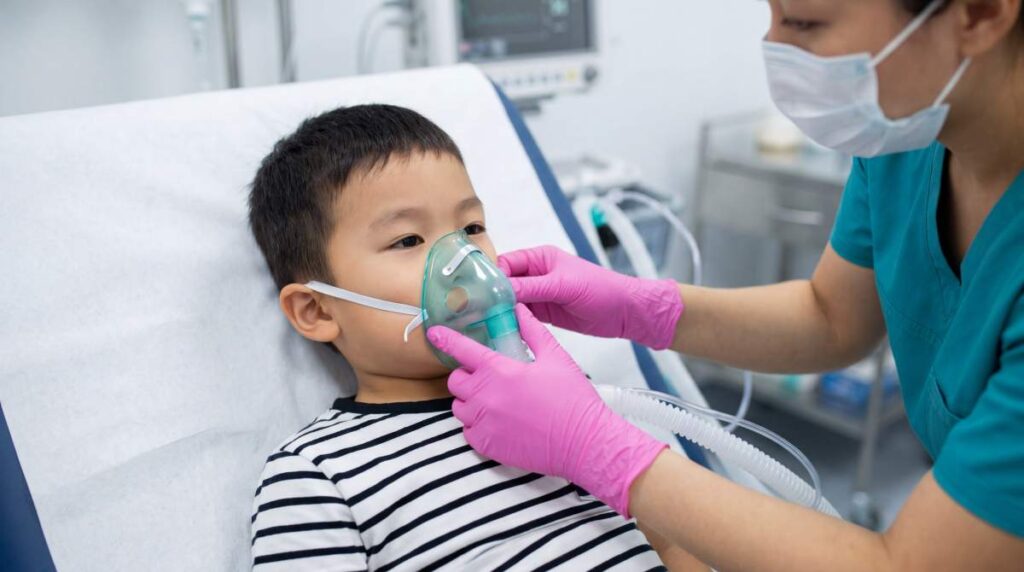
A child who feels hot during the night can make even an experienced caregiver feel uncertain. Most childhood fevers can be monitored at home when the child is breathing comfortably, taking fluids, urinating normally, and responding reasonably. The goal overnight is not to force the temperature to normal; it is to keep the child comfortable and watch for signs of worsening illness.
What should caregivers do first?
Begin by checking the child’s temperature with a reliable thermometer and observing behavior. A fever is generally a temperature of 100.4°F or higher, but the number alone does not show how seriously ill a child may be.
Pay attention to whether the child:
- Wakes and responds normally
- Breathes comfortably
- Can drink or breastfeed
- Has tears when crying
- Is urinating at expected intervals
- Has a manageable level of discomfort
A child with a moderate fever who wakes, drinks, and interacts may be safer to monitor than a child with a lower temperature who is difficult to wake or breathing unusually.
Keep the room comfortably cool, use lightweight clothing, and avoid piling on blankets. In Kaufman, warm weather and air-conditioning can create quick changes in indoor temperature, so comfort matters more than making the room cold.
Should a sleeping child be awakened to check a fever?
Usually, a child does not need to be awakened solely to give fever medicine if the child is sleeping comfortably and breathing normally. Rest supports recovery, and fever medicine is mainly used to reduce discomfort rather than treat the temperature itself.
Caregivers should check periodically when illness seems significant, especially in infants, children with chronic medical conditions, or children who have had vomiting, diarrhea, poor fluid intake, or breathing symptoms. A brief check should include breathing, skin color, responsiveness, and whether the child feels unusually limp or difficult to rouse.
If a child is hard to awaken, confused, struggling to breathe, or appears severely ill, do not wait for the next scheduled temperature check.
How can fluids be managed overnight?
Fluids are one of the most useful parts of fever care. Offer small, frequent amounts rather than expecting a sick child to drink a full cup at once. Breastfed infants can usually continue nursing. Older children may accept water, milk, broth, or an oral rehydration drink when vomiting or diarrhea is present.
Do not force large amounts, which can trigger vomiting. Instead, try a few sips every several minutes. A child who refuses all fluids, repeatedly vomits, has a very dry mouth, produces no tears, or urinates much less than usual may be becoming dehydrated.
For infants and toddlers, fewer wet diapers are an especially useful warning sign. No urine for about eight hours, marked sleepiness, sunken eyes, or difficulty waking should be treated as urgent concerns.
When is fever medicine appropriate?
Acetaminophen or ibuprofen may help a child rest when fever causes significant discomfort, body aches, headache, or difficulty sleeping. Medication is not required simply because the thermometer shows a fever.
Use the dose based on the child’s current weight and the instructions for that exact product. Liquid medicines can have different concentrations, so use the measuring device supplied with the medicine rather than a kitchen spoon.
Important precautions include:
- Do not give aspirin to a child or teenager because of the risk of a serious reaction.
- Do not give ibuprofen to infants younger than six months unless a clinician specifically directs it.
- Avoid ibuprofen when a child is significantly dehydrated or has ongoing vomiting unless medical guidance has been provided.
- Check combination cold medicines carefully because some already contain acetaminophen.
- Do not alternate acetaminophen and ibuprofen on a routine schedule unless a healthcare professional has given clear instructions. Confusion about timing can lead to accidental overdosing.
Never give medicine intended for another child based only on age or appearance. If the correct dose is uncertain, the safest approach is to verify the product strength, the child’s weight, and the dosing interval with a pharmacist or medical professional.
What home treatments should be avoided?
Cold baths, ice packs, and rubbing alcohol can cause shivering, skin injury, or dangerous absorption. They do not treat the infection causing the fever. Lukewarm comfort measures may be acceptable if a child enjoys them, but bathing should not become a struggle.

Avoid bundling a feverish child in heavy clothing to “sweat out” the illness. Shivering can raise discomfort, while excessive layers may contribute to overheating. Light pajamas and a normal blanket are usually enough.
A fever reducer also does not prevent all fever-related seizures. If a seizure occurs, place the child on a safe surface on their side, move nearby objects away, do not place anything in the mouth, and seek emergency help if the seizure lasts more than five minutes, repeats, or the child does not recover normally afterward.
When should an infant with a fever be evaluated?
Any infant younger than three months with a rectal temperature of 100.4°F or higher needs prompt medical evaluation, even if the infant appears comfortable. Very young babies can have serious infections without obvious symptoms.
Rectal temperatures are generally the most reliable for young infants when taken correctly. Follow the thermometer instructions carefully, and do not delay medical care while repeatedly checking the number if the baby looks ill.
Older infants and children may also need prompt evaluation for persistent fever, worsening symptoms, poor feeding, unusual sleepiness, a new rash, pain with urination, or a fever that returns after the child initially improves.
Which overnight symptoms require emergency help?
Seek emergency help immediately for a child with fever who has:
- Trouble breathing, bluish lips, or pauses in breathing
- Severe lethargy, confusion, or inability to awaken normally
- A stiff neck, severe headache, or unusual sensitivity to light
- A seizure
- Signs of severe dehydration
- A purple, bruise-like, or rapidly spreading rash
- Severe pain, repeated inconsolable crying, or refusal to move an arm or leg
- Repeated vomiting with inability to keep fluids down
In an emergency, keep the child safely positioned, note the temperature and symptoms, and record any medicine given, including the amount and time. This information can help clinicians make faster decisions.
What should caregivers prepare before bedtime?
A simple overnight plan reduces mistakes when everyone is tired. Keep a working thermometer, the child’s weight, correctly measured medicine, water or other suitable fluids, tissues, and a written medication log nearby. Make sure the child’s sleeping area is safe and that an adult can hear or check on the child.
Seasonal respiratory illnesses, outdoor heat, and dry indoor air can affect comfort in local households, but fever care remains centered on hydration, breathing, responsiveness, and the child’s overall appearance. When a caregiver feels that a child is deteriorating or looks substantially sicker than expected, that concern deserves prompt medical attention even if the temperature is not extremely high.