

 See My Latest Article on HelloNation
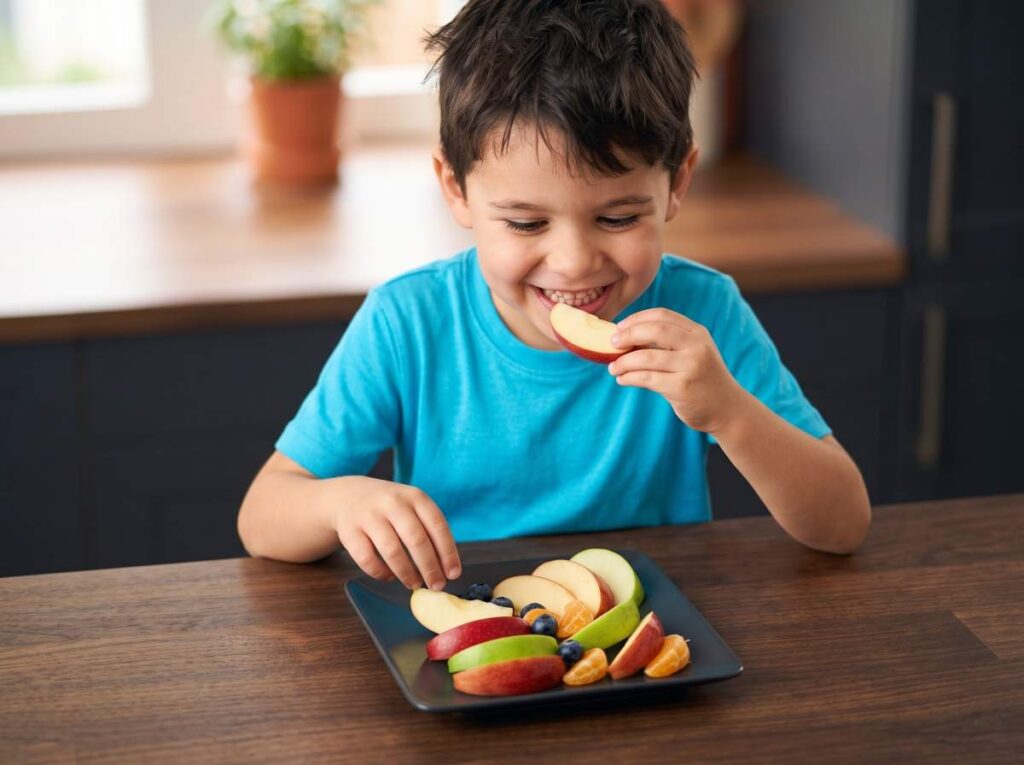
Children often eat less during an illness, especially with fever, nausea, congestion, sore throat, vomiting, or diarrhea. For most short-term illnesses, drinking enough fluid matters more than eating a full meal. A child who skips a few meals but remains alert, urinates regularly, and takes small amounts of fluid may be able to recover safely at home.
Should a sick child be forced to eat?
No. Pressuring, bargaining, or forcing food can increase nausea and make eating more stressful. Appetite commonly decreases while the body is fighting an infection, and many children begin eating more normally as symptoms improve.
Offer food without making it a requirement. A calm approach is:
- Place a small amount of food within reach.
- Let the child decide whether and how much to eat.
- Remove the food without criticism if the child refuses.
- Offer another small portion later rather than expecting one full meal.
During hot weather or when a home is warm and dry, children may lose more fluid through sweating or faster breathing. Families in Kaufman may also notice that outdoor activity, fever, and reduced drinking can add to fluid loss, particularly during warmer months.
What should a child drink when they will not eat?
Fluids should be offered frequently in small amounts. A few sips every several minutes may be easier to tolerate than a full cup.
Depending on the child’s age and symptoms, reasonable choices may include:
- Breast milk or formula for infants
- Water for children who normally drink water
- An oral rehydration solution during vomiting or diarrhea
- Broth, diluted juice, or other tolerated fluids for some older children
- Ice chips, frozen fruit pieces, or popsicles for children old enough to manage them safely
If a child is vomiting, start with very small amounts, such as a teaspoon or two at a time, and gradually increase if the fluid stays down. Large drinks can trigger more vomiting.
Sugary drinks, soda, and undiluted juice can worsen diarrhea in some children. They should not replace an oral rehydration solution when significant vomiting or diarrhea is present. Homemade rehydration mixtures can contain too much salt or sugar if measured incorrectly.
Infants should continue breast milk or formula unless a pediatric clinician gives different instructions. Do not dilute formula.
What foods are easiest to offer?
There is no required “sick-day diet.” The best food is usually something familiar, mild, and easy to tolerate. Try small portions of foods the child has eaten comfortably before, such as:
- Toast, crackers, rice, noodles, or oatmeal
- Bananas, applesauce, soft pears, or other easy-to-eat fruit
- Yogurt, if dairy does not worsen symptoms
- Soup or broth with soft vegetables, rice, or noodles
- Mashed potatoes or other soft foods
- Eggs, beans, chicken, or another gentle protein when appetite returns
Cold foods may feel better if the throat is sore. Warm foods may be more appealing when congestion is present. The goal is not to provide a perfect meal; it is to offer manageable choices while avoiding pressure.
Fatty, heavily seasoned, or very large meals may be harder to tolerate during nausea. If the child has diarrhea, continue offering normal age-appropriate foods as tolerated rather than withholding food for long periods.
What if a sore throat, congestion, or mouth pain is preventing eating?
Pain and breathing difficulty can make eating unpleasant. A child with a stuffy nose may struggle to breathe while chewing or drinking, while a sore throat may make swallowing painful.
Helpful adjustments include:
- Offer soft, cool, or lukewarm foods.
- Give small bites and frequent sips.
- Encourage rest between bites.
- Use age-appropriate fever or pain medicine only as directed on the label or by a healthcare professional.
- Avoid foods that are acidic, spicy, rough, or crunchy if the mouth or throat hurts.
- Keep the child upright while eating and drinking.
A child who refuses both food and fluids because swallowing is painful needs closer attention. Drooling, a muffled voice, severe one-sided throat pain, neck stiffness, or trouble breathing should not be treated as ordinary appetite loss.
How can caregivers tell whether the child is getting enough fluid?
Urination, alertness, tears, and moisture in the mouth are useful clues. A child who is drinking less but still urinates regularly, produces tears, and has a moist mouth may be maintaining hydration.
Possible signs of dehydration include:
- Much less frequent urination
- No urine for about eight hours in a young child
- Fewer wet diapers than usual in an infant
- Dry lips, tongue, or mouth
- Few or no tears when crying
- Sunken eyes or a sunken soft spot in an infant
- Unusual sleepiness, weakness, irritability, or reduced activity
- Cool or discolored hands and feet in more severe cases
Do not judge hydration by appetite alone. A child may eat very little and remain adequately hydrated, while another child may eat small amounts but become dehydrated from repeated vomiting, diarrhea, fever, or poor fluid intake.
When is refusing food a reason to seek medical advice?
Contact a pediatric healthcare professional promptly if a child refuses fluids, drinks very little for several hours, has signs of dehydration, or continues to have poor intake along with fever. Infants deserve earlier attention because they can become dehydrated more quickly and may not be able to communicate thirst.
Medical guidance is also appropriate when:
- Vomiting prevents the child from keeping fluids down.
- Diarrhea is frequent, bloody, or accompanied by worsening weakness.
- The child has severe abdominal pain, a swollen abdomen, or persistent pain in one area.
- Fever continues or the child appears increasingly ill.
- Poor drinking lasts longer than a day in a young child or more than a few days in an older child.
- The child has a chronic condition, takes regular medicine, or has special nutritional needs.
Seek emergency care for severe trouble breathing, blue or gray lips, fainting, a child who is difficult to wake, confusion, seizure, or extreme weakness. A child who cannot swallow saliva, is drooling heavily, or appears unable to breathe comfortably needs immediate evaluation.
What should caregivers avoid?
Avoid using food as a test of whether the illness is serious. Appetite often returns after fever, nausea, pain, or congestion improves. Avoid forcing a child to finish food, giving adult medicines, or using anti-nausea or anti-diarrhea medicines without appropriate medical direction.
Keep a simple record of fluids, urination, vomiting, diarrhea, temperature, and behavior. This information can help show whether the child is improving and can make it easier to describe the illness accurately if medical advice becomes necessary.
In most uncomplicated illnesses, the practical priorities are comfort, frequent fluids, small optional meals, and careful observation. Eating can gradually return as the child feels better.